Omega-3 fatty acids —EPA (eicosapentaenoic acid) and DHA (docosahexaenoic acid)— are essential polyunsaturated fats that the body cannot produce on its own. They are obtained mainly through the consumption of fatty fish such as salmon, mackerel or sardines, and also from plant sources like chia seeds or walnuts, although with lower bioavailability.
Their role in cardiovascular and brain health is well established, but current research suggests key potential benefits for active women: inflammation control, muscle recovery, hormonal health and even metabolic efficiency. This highlights the need to reconsider their role as a strategic nutrient within female athletic performance.
Why do so many female athletes have omega-3 deficiencies?
The Omega-3 Index (O3I) measures the percentage of EPA+DHA in red blood cells. An O3I ≥8% is associated with low cardiovascular risk, while <4% indicates high risk.
Most female athletes fall below 5%, which may reflect:
- insufficient intake of marine omega-3 sources,
- sensory barriers (taste/smell of fish),
- lack of awareness about benefits,
- distrust of supplements,
- higher reliance on plant sources with lower biological efficacy, compared with men who tend to consume more marine sources.
What are the benefits of omega-3 for performance according to exercise type?
a) Strength and power
- In young active women, 3–4 g per day of omega-3 improve grip strength and accelerate neuromuscular recovery after demanding eccentric exercise.
- A single acute dose (~0.6 g EPA+DHA) before exercise has been shown to improve vertical jump and strength in female futsal players.
b) Endurance and aerobic capacity
- Although there is a lack of female-only trials, mixed studies including men indicate that 3 g/day for 12 weeks can increase VO₂max and improve energy efficiency.
- To achieve these benefits, an O3I ≥8% seems necessary, which in women may require doses above 3 g/day for at least 8–12 weeks.
c) Team sports and recovery
- In university basketball players, 8 weeks of EPA improved antioxidant markers and reduced post-training inflammation.
- Taking high doses only after exercise (2–3 days) appears less effective than maintaining continuous intake beforehand.
- In female futsal players, 1 g of fish oil (500 mg EPA + 100 mg DHA) combined with 30 g of whey protein, before or after eccentric training, improved strength, vertical jump and significantly reduced DOMS.
How is omega-3 related to the menstrual cycle and hormonal health?
- During the luteal phase, inflammation and oxidative stress naturally increase. Omega-3, especially EPA-rich forms, improves antioxidant response and reduces these markers, supporting recovery.
- Omega-3 supplementation may alleviate menstrual symptoms (pain, discomfort) and improve mood in premenstrual syndrome.
- In women with polycystic ovary syndrome (PCOS), improvements have been observed in insulin sensitivity and certain hormonal parameters.
What benefits can omega-3 offer women aged 50+ or master athletes?
High-quality studies show that:
- 2 g per day of EPA+DHA for at least 18 weeks enhance strength gains and improve muscle quality in older women who perform strength training.
- This effect was not observed in men.
- Omega-3 may also support joint health, functional improvement, muscle mass maintenance and prevention of sarcopenia.
What are the optimal omega-3 dose, duration and timing?
According to current evidence:
- Long-term intake: 2–3 g/day of EPA+DHA for 8–12 weeks.
- Acute intake: 1 g of fish oil about 2 hours before intense or competitive exercise.
- Before or after training: 1 g of fish oil combined with 30 g of protein or antioxidants may enhance effects.
How important are the EPA:DHA ratio and supplement quality?
EPA stands out for its anti-inflammatory potential, particularly useful in intense training or chronic inflammatory situations, with possible effects on muscle recovery and immune modulation.
DHA plays a key role in brain health and cellular membrane structure, being relevant in neuroprotective processes.
Studies showing consistent benefits use ratios of 1.5–2:1 in favor of EPA, although there is no consensus on the ideal ratio for female athletes.
What do we still not know about omega-3 and female performance?
Although omega-3 shows great potential, there are clear limitations:
- Most studies are based on men or mixed populations.
- There is a lack of female-specific evidence regarding:
- effects on body composition,
- VO₂max,
- immune function,
- hormonal responses in complex contexts.
The final reflection emphasizes that real progress requires placing female athletes at the center of scientific research.
Final Reflection
Omega-3 appears to be a nutrient with valuable applications for female athletes, but the full picture is not yet clear. Most studies still rely on male or mixed samples, and many relevant questions —such as effects on body composition, VO₂max, immune function or hormonal changes in complex settings— lack solid evidence specific to active women.
Omega-3 may be part of the progress… but the real step forward lies in ensuring that female athletes also take the central role they deserve in research.
Author:
Anna Teixidó Aguiló — Dietitian-Nutritionist
NºCol: MAD00674
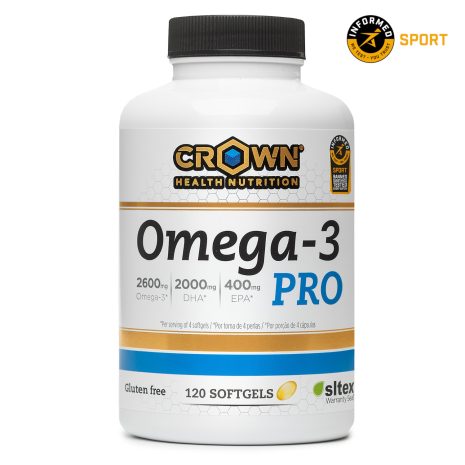
Omega-3 PRO (120 Softgels)
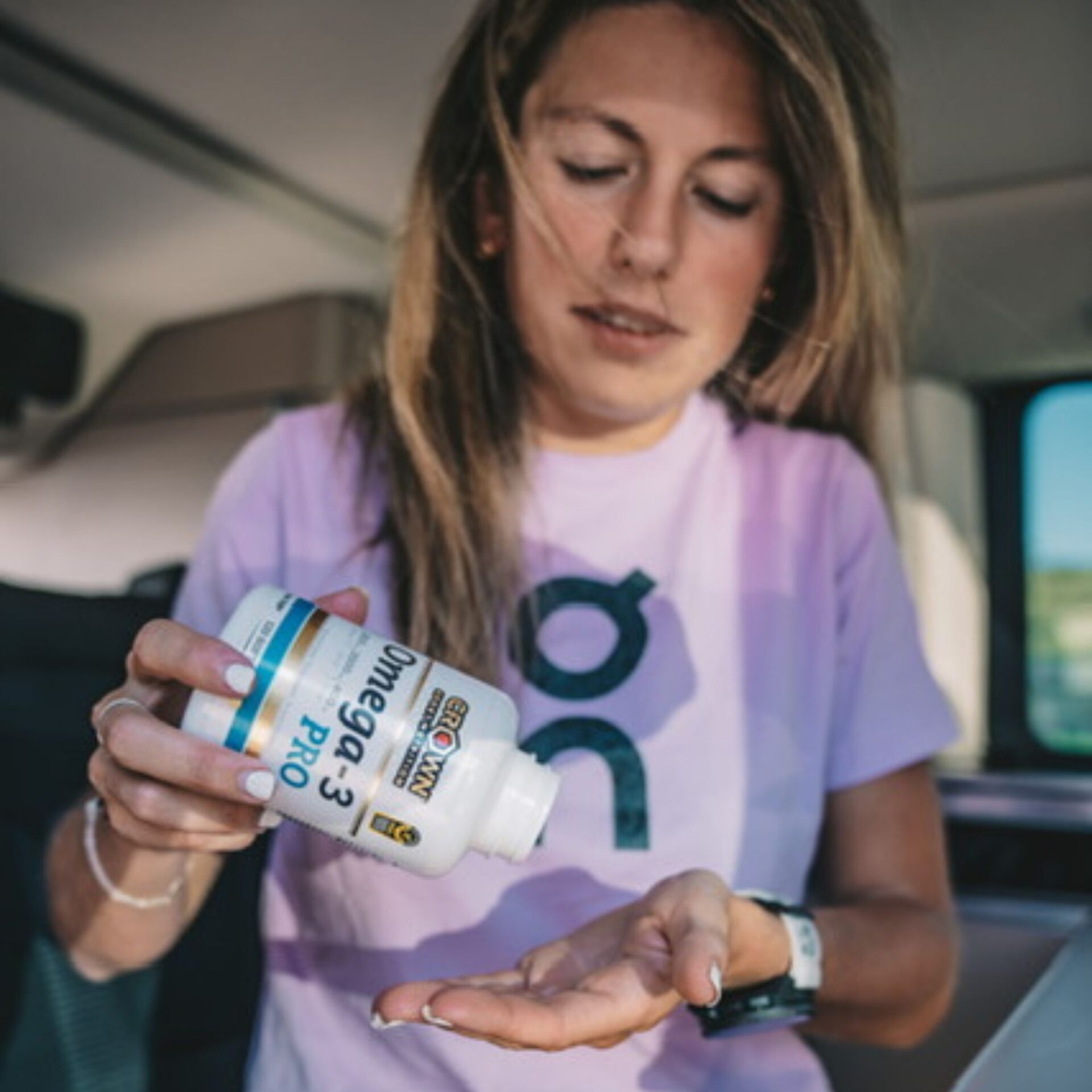
Omega-3 PRO is a premium supplement made with high-DHA fish oil (5:1 ratio vs. EPA), formulated in triglyceride (TG) form to optimize absorption. It provides 2600 mg of Omega-3 per 4 softgels and uses Solutex® raw material, IFOS certified, free from heavy metals and produced with exclusive Cleantex® technology, which eliminates odor and reflux — meaning it barely smells like fish, doesn’t leave any fishy odor on your hands, and is very easy to digest. It helps muscle recovery, reduces inflammation, and supports brain health. In addition, it holds Informed-Sport anti-doping certification.
*Envío gratis en pedidos superiores a 25€
References
- Simopoulos, A.P. (2016). An Increase in the Omega-6/Omega-3 Fatty Acid Ratio Increases the Risk for Obesity. Nutrients.
- Harris, W.S., & Von Schacky, C. (2004). The Omega-3 Index: A new risk factor for death from coronary heart disease? Prev Med.
- Turner, T.A. et al. (2015). Omega-3 Fatty Acids for Sport Performance – Are They Equally Beneficial for Women? JISSN.
- Nichols, W.S. (2020). Omega-3 Index in Female Athletes and Its Relationship with Performance and Recovery. J Exerc Nutr.
- Rodacki, R.T. et al. (2012). Fish-Oil Supplementation Enhances the Effects of Strength Training in Elderly Women. Am J Clin Nutr.
- Philpott, J. et al. (2019). Efficacy of omega-3 supplementation for recovery in trained individuals. Nutrients.
- Carvalho, F.L. et al. (2022). Effects of Omega-3 Acute Supplementation on Performance and Inflammatory Markers in Female Athletes. Nutr Health.
- Gray, P. et al. (2014). Fish oil supplementation and endurance training: Combined effects on VO₂max. J Sci Med Sport.
- Brown, L.E. (2023). Nutritional Strategies for Active Women Across the Lifespan. Nutrients.
- Ahmadi, M. et al. (2024). Boosting Recovery: Omega-3 and Whey Protein Enhance Strength and Ease Muscle Soreness in Female Futsal Players. Nutrients.
- Mano, Y. et al. (2022). Influence of EPA-Rich Fish Oil on Oxidative Stress During the Menstrual Phase. Women’s Health Reports.
- Snipe, R.M.J. et al. (2023). Omega-3 and Dysmenorrhoea: A Meta-analysis. Nutr Diet.
- Behboudi-Gandevani, S. et al. (2017). Omega-3 Fatty Acids on PMS and Quality of Life. J Obstet Gynaecol Res.
- Akhoundan, Z. et al. (2021). Effect of Omega-3 on Insulin Resistance and Hormonal Profile in PCOS. Clin Nutr ESPEN.